
CONTACT US
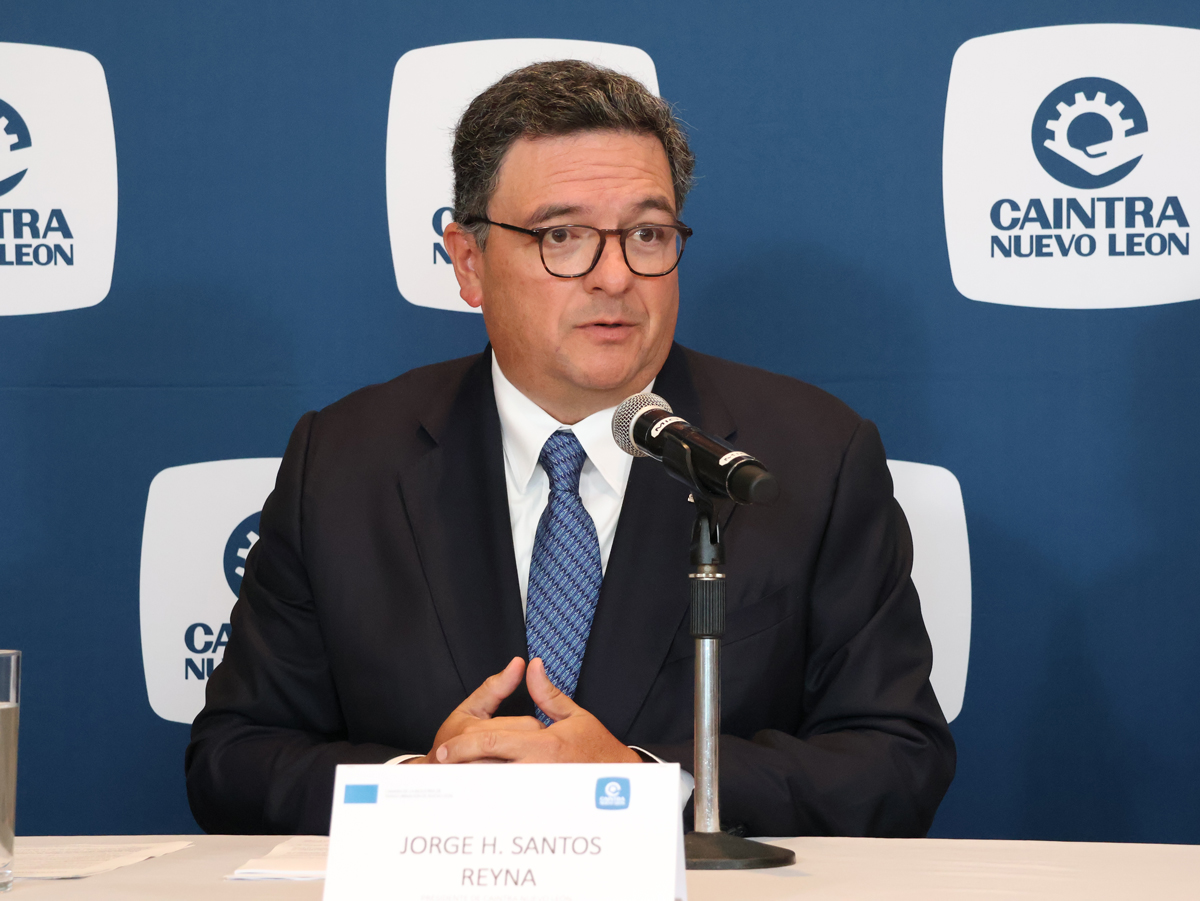
CAINTRA strengthens its financing strategy to boost SME growth
August 11, 2026
For the Chamber, SMEs are a fundamental part of our state's industrial activity, employment, and supply chains. Therefore, we work to address two of their most important needs that our members constantly request: generating greater sales opportunities and having the flow of financial resources necessary to maintain their operation, fulfill new orders, and invest in their growth—in other words, their cash cycle.
Regarding how to sell more, we are preparing the SME Expo, which will soon bring together companies, buyers, and suppliers to generate new business opportunities and strengthen supply chains. This month we will call you to another press conference to give you the details of this event.
Regarding the flow of resources, we are consolidating a financing strategy focused on SMEs. Today we want to share with you a progress report on this strategic initiative. We have started with three main areas: factoring, access to credit on preferential terms, and a boost to financial literacy.
1. The first axis is factoring, a tool that allows SMEs to obtain short-term liquidity. In our SME Financing Survey, 54.8% of companies reported having applied for credit in the past 12 months, and 56.6% of the credit was used for working capital. As a Chamber, we have identified factoring as an opportunity to enable micro, small, and medium-sized enterprises (MSMEs) to purchase supplies, cover payroll, meet their obligations, and keep their operations running. Furthermore, it is a highly attractive financial instrument: 83% of the companies offered factoring accept it and take advantage of it.
Therefore, to expand access to this alternative, we signed an agreement with Nacional Financiera, with the participation of the Secretary of Finance, Édgar Amador Zamora, and Carlos Torres Rosas, general director of Nacional Financiera and Bancomext.
This scheme operates through large anchor companies in Nuevo León, which facilitate factoring for the SMEs that form part of their supply chains. We have already started with two large companies incorporated into the Mexico Plan (Credicadenas). Participating suppliers have access to factoring terms one percentage point below market rates. In this first stage, the benefit reaches 293 supplier SMEs, and soon, more than 4,000 micro, small, and medium-sized enterprise suppliers will be able to join.
We want more leading companies to join so that their suppliers can access liquidity under better conditions. At the same time, we want factoring to help SMEs strengthen their financial information and build a credit history that opens the door to other financing products.
2. The second axis is to bring SMEs closer to credit options under preferential conditions. To this end, we have established agreements with Banregio and Santander, with the objective of expanding the available alternatives for our member companies and facilitating their access to resources for working capital, investment, and development. We hope to add a couple more banks prior to ExpoPyme.
The initial results reflect significant demand. Together, through both agreements, we have received 172 credit applications for an amount close to 500 million pesos.
This progress confirms that there is interest in accessing formal credit, but it also demonstrates the importance of supporting companies throughout the process, from identifying the most suitable alternative to integrating their documentation and submitting their application.
3. The third axis is financial training. Access to financing does not depend solely on the availability of products. Companies also need to know their options, organize their information, understand the requirements, and prepare to use credit responsibly and strategically.
Therefore, we are promoting a greater financial culture among SMEs. In collaboration with NAFIN, we have held eight virtual workshops, with a cumulative attendance of nearly 600 participants from 325 MSMEs. The training sessions cover topics such as financial factoring, financial management for business growth, corporate governance, and basic financial tools.
In short, the actions share a single purpose: for SMEs to have liquidity to operate, credit alternatives to invest, and better capabilities to make financial decisions. The progress is positive, but we must expand its scope. Therefore, we will seek to establish new agreements with other banking institutions, incorporate more anchor companies into factoring schemes, and extend training courses to reach a greater number of SMEs.

When micro, small, and medium-sized enterprises become protagonists in relocation and industrial growth, the country's employment, supply chain, and economic development are strengthened.
We will promote the participation of financial institutions with a real commitment to SMEs at Expo PyME next September. At CAINTRA, we are convinced that an SME with access to competitive financing has greater opportunities to grow, invest, integrate into value chains, and generate more jobs.
Therefore, we will continue working with NAFIN, banks, and anchor companies to expand access to credit and strengthen the development of SMEs in Nuevo León and Mexico; strengthening them means boosting the competitiveness and future of our industry.


